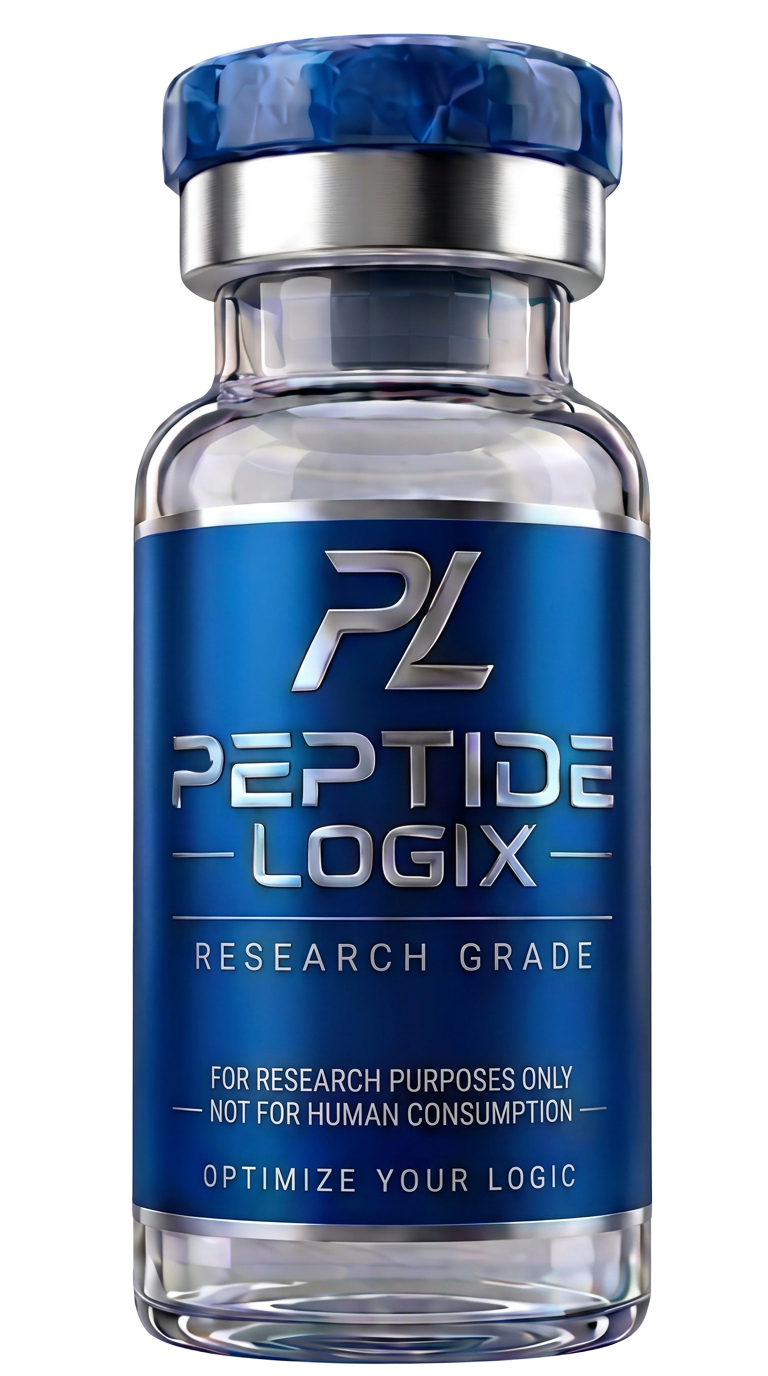
peptides
Cagrilintide 10mg
Cagrilintide is a long-acting acylated amylin analog studied for satiety signaling, gastric emptying, and additive body-weight effects when modeled alongside incretin agonists.
Research-observed benefits
- ›Satiety signaling
- ›Slowed gastric emptying
- ›Weight-endpoint research
- ›Complements incretin pathways
Findings reported in in-vitro / preclinical research literature. Not therapeutic claims.
CAS Number
—
Purity
99%+
Molecular Formula
—
Stock
120 units
Order type
Purchase option
Quantity
Total
$50
For in-vitro research only. Not for human consumption, diagnostic, or therapeutic use. Storage at -20°C recommended for lyophilized peptides.
Cagrilintide 10mg — Full Research Breakdown
Tailored information for researchers. All content is for in-vitro / preclinical research context only — not medical advice.
Mechanism of Action
Acylated long-acting amylin analog with balanced agonism at amylin and calcitonin receptors. Signals through area postrema and hypothalamic circuits to promote satiety and slow gastric emptying.
How It Helps
Adds a non-incretin satiety pathway, which is why research pairs it with GLP-1 agonists to test additive weight endpoints beyond either agent alone.
Half-Life
~7–8 days, supporting weekly dosing schedules in study designs
Onset of Effects
Appetite-endpoint changes typically observed within 1–2 weeks.
Storage
Lyophilized: –20°C. Reconstituted: 2–8°C, 28 days.
Stacks Well With
- ›Semaglutide (dual-pathway satiety research)
- ›Tesamorelin (body composition)
Research-Observed Side Effects
- •Nausea
- •Reduced appetite
- •Injection-site reaction
- •Transient GI discomfort
Translational Cautions
- •Gastroparesis models
- •Prior sensitivity to amylin analogs
Research Highlights
- ▸Phase 2 data: meaningful weight reduction as monotherapy over 26 weeks.
- ▸Combination with semaglutide (CagriSema) produced greater reduction than either alone.
- ▸Amylin signaling remains intact in GLP-1-resistant phenotypes.