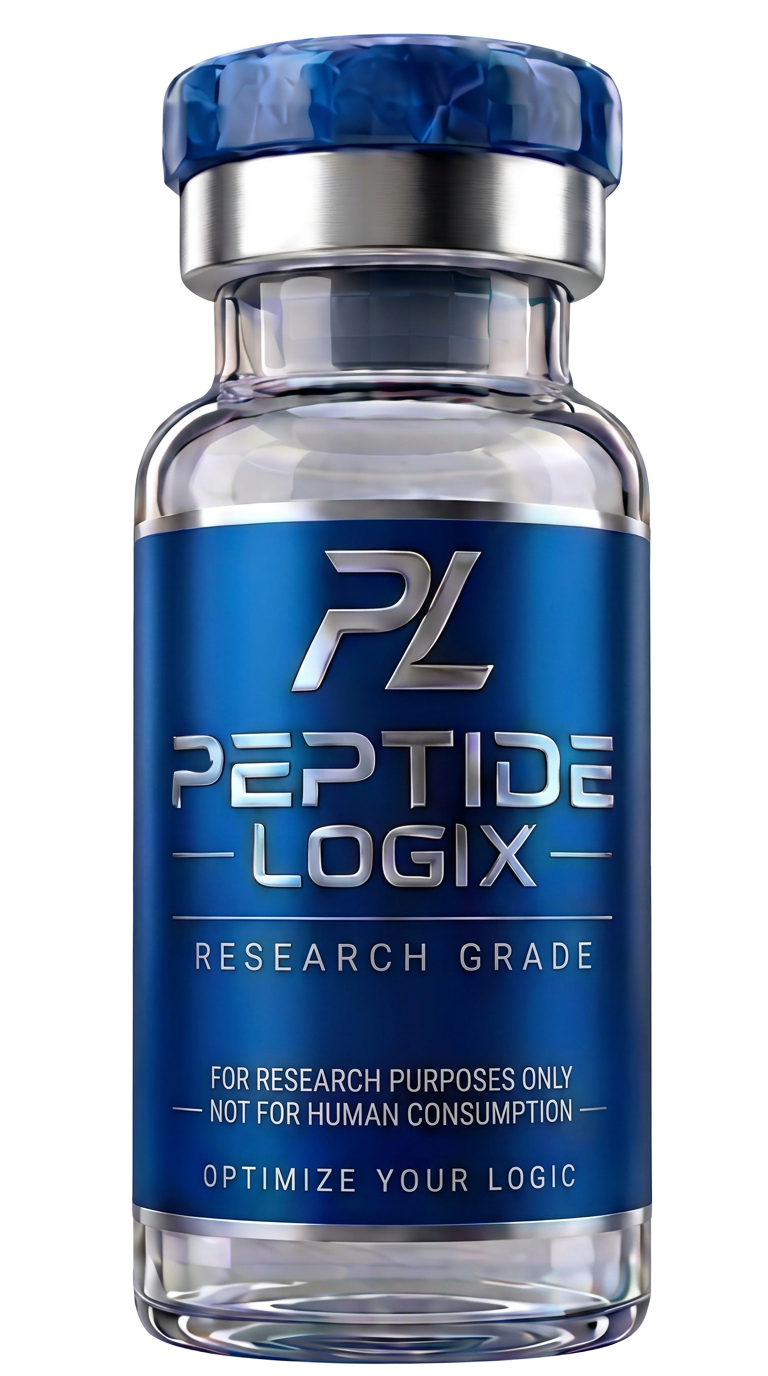
peptides
Epithalon 10mg
Epithalon (Ala-Glu-Asp-Gly) is a synthetic analog of the pineal peptide epithalamin. Research examines telomerase activation, melatonin rhythm normalization, and healthspan endpoints in aging models.
Research-observed benefits
- ›Telomerase activation research
- ›Circadian/melatonin rhythm
- ›Antioxidant signaling
- ›Healthspan endpoints
Findings reported in in-vitro / preclinical research literature. Not therapeutic claims.
CAS Number
—
Purity
99%+
Molecular Formula
—
Stock
120 units
Order type
Purchase option
Quantity
Total
$30
For in-vitro research only. Not for human consumption, diagnostic, or therapeutic use. Storage at -20°C recommended for lyophilized peptides.
Epithalon 10mg — Full Research Breakdown
Tailored information for researchers. All content is for in-vitro / preclinical research context only — not medical advice.
Mechanism of Action
Synthetic tetrapeptide (Ala-Glu-Asp-Gly) analog of pineal epithalamin. Research indicates telomerase gene induction and normalization of pineal melatonin secretion rhythms.
How It Helps
Targets the cellular-aging side of longevity research — telomere maintenance, circadian rhythm restoration, and antioxidant defense — rather than body composition.
Half-Life
Very short plasma half-life; effects attributed to gene-expression changes
Onset of Effects
Sleep-rhythm changes reported within days; longevity endpoints are long-horizon.
Storage
Lyophilized: –20°C, stable 24 months. Reconstituted: 2–8°C, 20 days.
Stacks Well With
- ›NAD+ (sirtuin pathways)
- ›Thymosin Alpha-1 (immune aging)
- ›MOTS-c (mitochondrial healthspan)
Research-Observed Side Effects
- •Very well tolerated; rare injection-site reaction
Translational Cautions
- •Limited Western human data — Russian literature predominates
Research Highlights
- ▸Khavinson et al.: telomerase activation in human somatic cell cultures.
- ▸Long-running Russian cohort studies report reduced age-related mortality markers.
- ▸Restores physiologic melatonin rhythm in aged models.