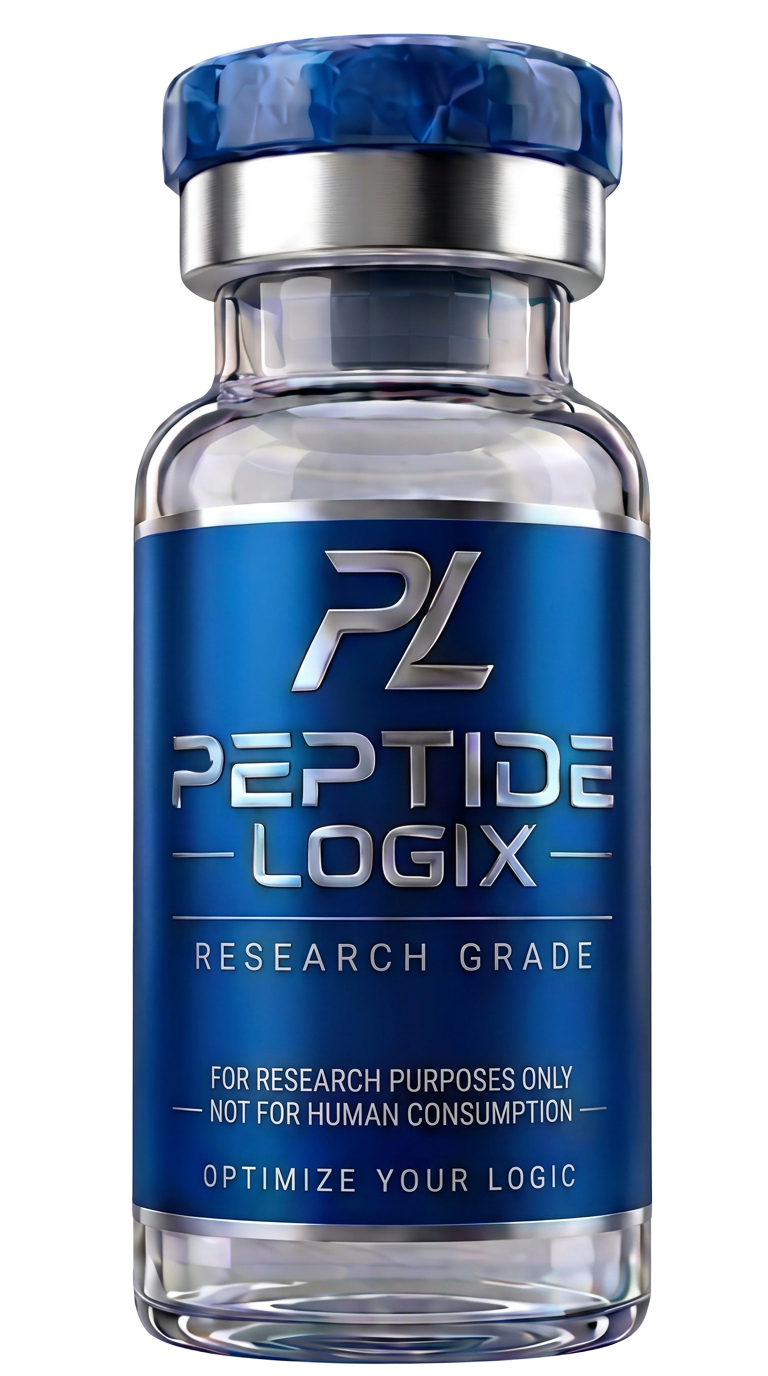
peptides
GHK-Cu 50mg
GHK-Cu is a naturally occurring copper-binding peptide studied for collagen production, wound healing, and hair follicle activation.
Research-observed benefits
- ›Collagen synthesis
- ›Wound healing
- ›Hair regrowth
- ›Anti-aging
Findings reported in in-vitro / preclinical research literature. Not therapeutic claims.
CAS Number
89030-95-5
Purity
99%+
Molecular Formula
C14H22CuN6O4
Stock
320 units
Order type
Purchase option
Quantity
Total
$40
For in-vitro research only. Not for human consumption, diagnostic, or therapeutic use. Storage at -20°C recommended for lyophilized peptides.
GHK-Cu — Full Research Breakdown
Tailored information for researchers. All content is for in-vitro / preclinical research context only — not medical advice.
Mechanism of Action
Glycyl-L-histidyl-L-lysine bound to copper(II). Activates fibroblasts, increases collagen and elastin synthesis, modulates inflammatory cytokines.
How It Helps
Targets skin elasticity, wound healing, hair follicle activation, and anti-aging markers. Decades of dermatology literature.
Half-Life
Plasma minutes; tissue/scalp effects sustained days.
Onset of Effects
Skin/hair shifts typically 4–8 weeks.
Storage
Lyophilized frozen; reconstituted refrigerated 30 days, protect from light.
Stacks Well With
- ›Glow / Klow Blend
- ›Glutathione
Research-Observed Side Effects
- •Injection-site bruising
- •Temporary blue-green tint at injection site (copper)
Translational Cautions
- •Copper sensitivity, Wilson's disease in translational models
Research Highlights
- ▸Pickart et al.: collagen synthesis upregulation 70%+ in dermal fibroblasts.
- ▸Hair follicle enlargement in male pattern baldness research.