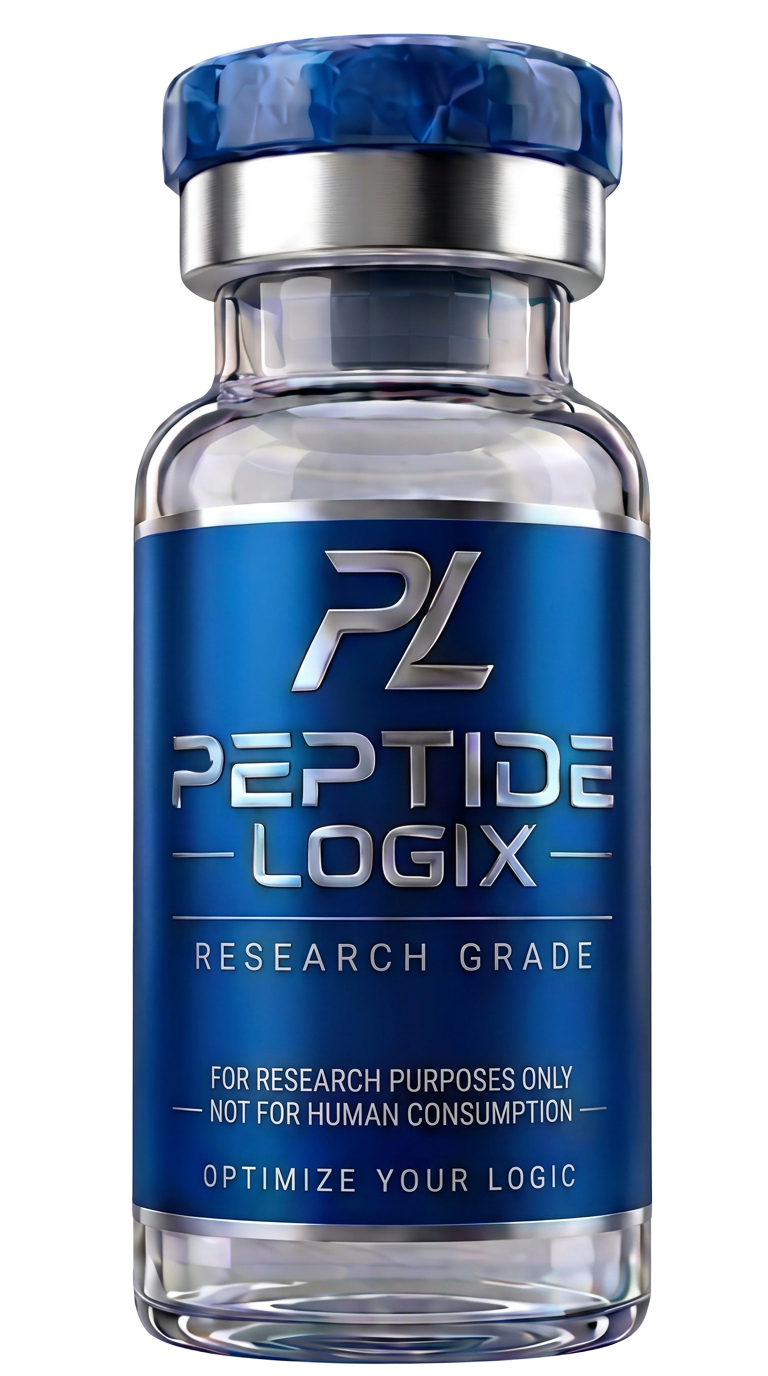
peptides
Glutathione 1500mg
Glutathione is a tripeptide of glutamine, cysteine, and glycine — the body's primary intracellular antioxidant. Research focuses on detoxification, skin tone, and oxidative stress reduction.
Research-observed benefits
- ›Antioxidant defense
- ›Skin brightening
- ›Detox support
- ›Immune modulation
Findings reported in in-vitro / preclinical research literature. Not therapeutic claims.
CAS Number
—
Purity
99%+
Molecular Formula
—
Stock
200 units
Order type
Purchase option
Quantity
Total
$60
For in-vitro research only. Not for human consumption, diagnostic, or therapeutic use. Storage at -20°C recommended for lyophilized peptides.
Glutathione — Full Research Breakdown
Tailored information for researchers. All content is for in-vitro / preclinical research context only — not medical advice.
Mechanism of Action
Tripeptide of glutamine, cysteine, and glycine. Functions as the body's primary intracellular antioxidant and supports Phase II liver detoxification.
How It Helps
Reduces oxidative stress markers, supports complexion brightness, and enhances detoxification — frequently paired with NAD+ in cellular-health research.
Half-Life
~10 minutes plasma — frequent dosing or sustained-release approaches preferred.
Onset of Effects
Skin/complexion shifts at 4–8 weeks; oxidative markers respond within days.
Storage
Lyophilized frozen; reconstituted refrigerated, 30 days. Protect from light.
Stacks Well With
- ›NAD+
- ›Vitamin C protocols
- ›Glow / Klow Blend
Research-Observed Side Effects
- •Mild bloating
- •Sulfur taste (IV protocols)
Translational Cautions
- •Sulfa sensitivity in some models
Research Highlights
- ▸Documented reductions in melanin density in dermatologic literature.
- ▸Significant reductions in oxidative stress biomarkers (MDA, 8-OHdG).