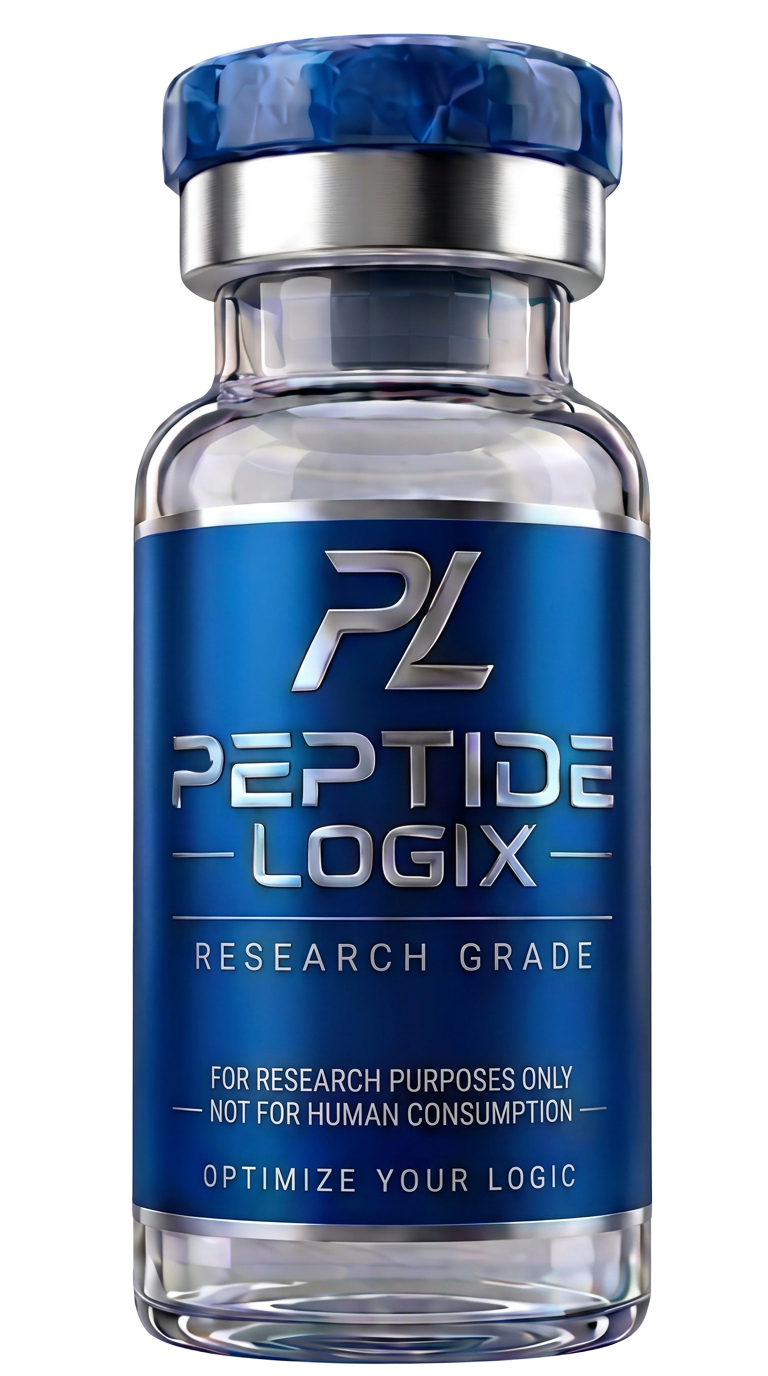
peptides
HCG 10,000iu
Human chorionic gonadotropin is a glycoprotein hormone that mimics LH at the LH/CG receptor. Widely used in endocrine research examining testicular Leydig-cell signaling, steroidogenesis, and HPG-axis maintenance.
Research-observed benefits
- ›LH-receptor agonism
- ›Steroidogenesis research
- ›HPG-axis modeling
- ›Fertility-pathway studies
Findings reported in in-vitro / preclinical research literature. Not therapeutic claims.
CAS Number
—
Purity
99%+
Molecular Formula
—
Stock
120 units
Order type
Purchase option
Quantity
Total
$50
For in-vitro research only. Not for human consumption, diagnostic, or therapeutic use. Storage at -20°C recommended for lyophilized peptides.
HCG 10,000iu — Full Research Breakdown
Tailored information for researchers. All content is for in-vitro / preclinical research context only — not medical advice.
Mechanism of Action
Glycoprotein hormone whose beta subunit binds the shared LH/CG receptor with high affinity and a long half-life, driving cAMP/PKA signaling in gonadal steroidogenic cells.
How It Helps
Maintains Leydig-cell testosterone output and testicular volume in suppression models, and drives follicular maturation signaling in reproductive research.
Half-Life
~24–36 hours terminal (substantially longer than native LH)
Onset of Effects
Steroidogenic response measurable within 24–48 hours of exposure.
Storage
Lyophilized: 2–8°C. Reconstituted: refrigerated, use within 30 days.
Stacks Well With
- ›Kisspeptin (upstream HPG activation)
- ›HGH (endocrine research models)
Research-Observed Side Effects
- •Injection-site reaction
- •Estrogen conversion in models
- •Fluid retention
- •Gynecomastia signaling in translation
Translational Cautions
- •Hormone-sensitive malignancy in human translation
- •Precocious puberty models
Research Highlights
- ▸Preserves intratesticular testosterone during exogenous androgen suppression.
- ▸Standard ovulation-trigger agent in reproductive-endocrinology literature.
- ▸Well-characterized LH-receptor pharmacology across species.