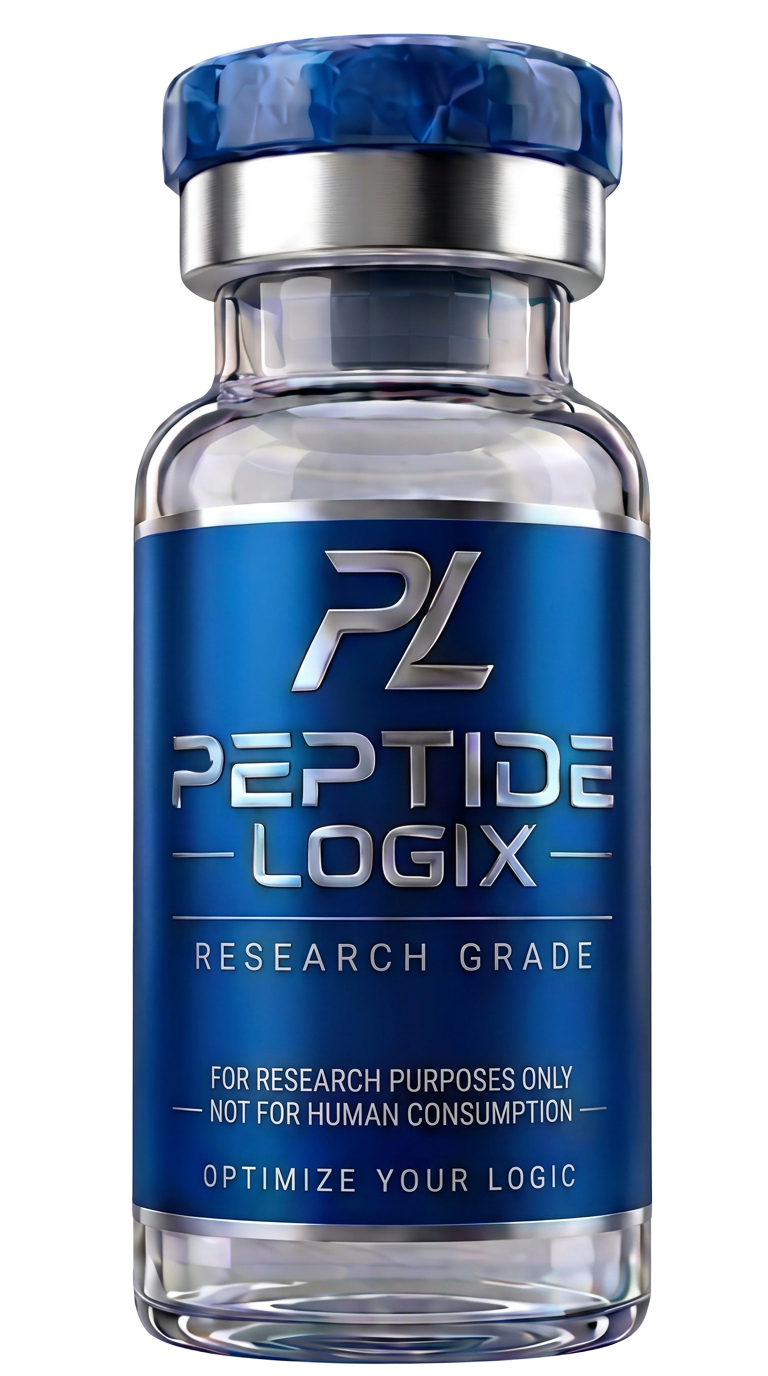
peptides
HGH 36iu
Recombinant human growth hormone (somatropin, 191 amino acids) supplied as a 36iu vial. Used in research on IGF-1 signaling, protein synthesis, lipolysis, and tissue regeneration.
Research-observed benefits
- ›IGF-1 upregulation
- ›Protein synthesis signaling
- ›Lipolytic activity
- ›Tissue regeneration models
Findings reported in in-vitro / preclinical research literature. Not therapeutic claims.
CAS Number
—
Purity
99%+
Molecular Formula
—
Stock
120 units
Order type
Purchase option
Quantity
Total
$70
For in-vitro research only. Not for human consumption, diagnostic, or therapeutic use. Storage at -20°C recommended for lyophilized peptides.
HGH 36iu — Full Research Breakdown
Tailored information for researchers. All content is for in-vitro / preclinical research context only — not medical advice.
Mechanism of Action
Recombinant 191-amino-acid somatropin identical to pituitary GH. Binds the GH receptor dimer, activating JAK2/STAT5 and inducing hepatic IGF-1 production.
How It Helps
Directly raises systemic GH and IGF-1 without relying on pituitary reserve — used in research where a supraphysiologic, non-pulsatile GH signal is required.
Half-Life
~3–4 hours subcutaneous; IGF-1 effects persist 24+ hours
Onset of Effects
IGF-1 elevation within days; body-composition endpoints at 8–12 weeks.
Storage
Lyophilized: 2–8°C. Reconstituted: 2–8°C, use within 14 days. Never freeze.
Stacks Well With
- ›Ipamorelin (comparator arm)
- ›BPC-157 (tissue repair)
Research-Observed Side Effects
- •Fluid retention and edema
- •Carpal-tunnel-type symptoms
- •Joint aches
- •Insulin-resistance drift in models
Translational Cautions
- •Active malignancy in human translation
- •Uncontrolled diabetic models
- •Pituitary pathology
Research Highlights
- ▸Reference standard against which all GH secretagogues are benchmarked.
- ▸Consistent lean-mass increase and fat-mass reduction across controlled trials.
- ▸Non-pulsatile exposure produces receptor-desensitization patterns absent with GHRH analogs.