peptides
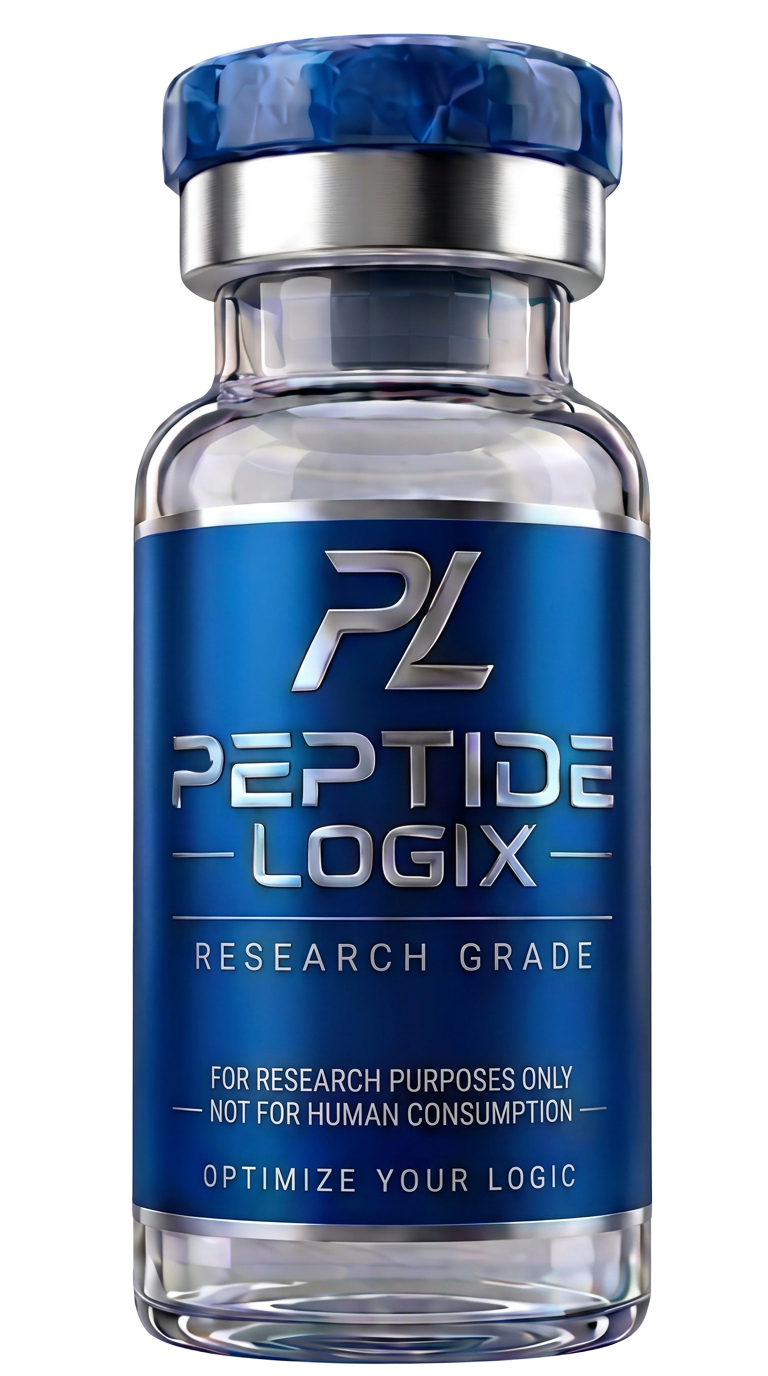
Kisspeptin 10mg
Kisspeptin signals through GPR54 to drive GnRH release, with research interest in reproductive hormone modulation, libido, and mood.
Research-observed benefits
- ›LH/FSH stimulation
- ›Libido support
- ›Hormonal balance
- ›Mood modulation
Findings reported in in-vitro / preclinical research literature. Not therapeutic claims.
CAS Number
—
Purity
99%+
Molecular Formula
—
Stock
200 units
Order type
Purchase option
Quantity
Total
$50
For in-vitro research only. Not for human consumption, diagnostic, or therapeutic use. Storage at -20°C recommended for lyophilized peptides.
Kisspeptin — Full Research Breakdown
Tailored information for researchers. All content is for in-vitro / preclinical research context only — not medical advice.
Mechanism of Action
Endogenous 54-aa neuropeptide that activates GPR54 on hypothalamic GnRH neurons, driving the upstream cascade of LH/FSH and downstream sex-steroid synthesis.
How It Helps
Research interest centers on fertility, hormonal balance, libido, and mood — without directly providing exogenous hormones.
Half-Life
~28 minutes — short pulsatile dosing windows.
Onset of Effects
Hormonal markers shift within hours of administration.
Storage
Lyophilized frozen; reconstituted refrigerated, 14 days.
Stacks Well With
- ›CJC-1295/Ipamorelin (HPG-axis adjacent research)
Research-Observed Side Effects
- •Transient flushing
- •Mild headache reported in early dosing
Translational Cautions
- •Active hormone-sensitive conditions in translational models
Research Highlights
- ▸Imperial College London studies: improved sexual-response brain activation patterns.
- ▸Increased LH pulsatility in male and female cohorts.