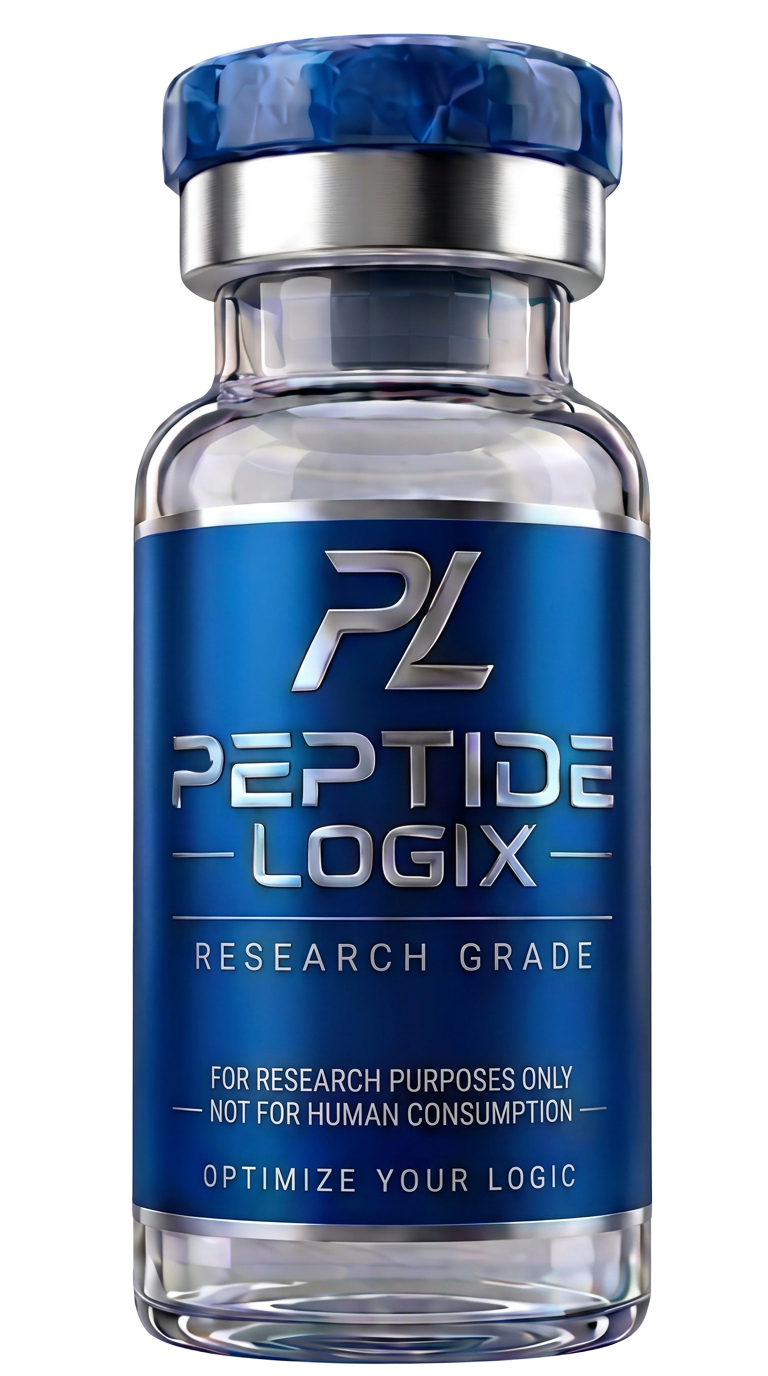
peptides
Semax 10mg
Semax is a synthetic ACTH(4-10) analog studied for BDNF upregulation, neuroprotection, and cognitive performance under stress. Typically administered intranasally in published research.
Research-observed benefits
- ›BDNF / NGF support
- ›Focus & memory
- ›Neuroprotection
- ›Stress resilience
Findings reported in in-vitro / preclinical research literature. Not therapeutic claims.
CAS Number
—
Purity
99%+
Molecular Formula
—
Stock
220 units
Order type
Purchase option
Quantity
Total
$40
For in-vitro research only. Not for human consumption, diagnostic, or therapeutic use. Storage at -20°C recommended for lyophilized peptides.
Semax 10mg — Full Research Breakdown
Tailored information for researchers. All content is for in-vitro / preclinical research context only — not medical advice.
Mechanism of Action
Synthetic heptapeptide (Met-Glu-His-Phe-Pro-Gly-Pro) derived from a fragment of ACTH(4-10). Modulates the melanocortin and dopaminergic systems and upregulates expression of BDNF and NGF in CNS tissue.
How It Helps
Studied for cognition, attention, memory, neuroprotection in ischemic models, and stress resilience — without the HPA-axis activation of full-length ACTH.
Half-Life
Plasma half-life is short (minutes), but downstream BDNF/NGF effects persist for hours to days after each administration.
Onset of Effects
Subjective focus / clarity often reported within 30–90 minutes intranasally; cumulative neuroplasticity effects build over 2–4 weeks.
Storage
Lyophilized: 2–8°C short-term, –20°C long-term (stable 24+ months). Reconstituted: refrigerate 2–8°C, use within 28 days.
Stacks Well With
- ›Selank (complementary anxiolytic + cognitive profile)
- ›Noopept (cholinergic / BDNF synergy)
- ›NAD+ (cellular energy support)
Research-Observed Side Effects
- •Mild nasal irritation (intranasal route)
- •Transient headache early in cycle
- •Occasional vivid dreams
Translational Cautions
- •Active pregnancy in human translational models
- •Concurrent psychiatric medication without specialist oversight
Research Highlights
- ▸Russian clinical literature (1990s–2010s): cognition and recovery in ischemic stroke models.
- ▸Demonstrated BDNF and NGF upregulation in hippocampal tissue.
- ▸Documented anxiolytic-like effects in rodent stress paradigms without sedation.